2018/04/02

Hangout in Space


NASA astronaut Drew Feustel seemingly hangs off the International Space Station while conducting a spacewalk on March 29, 2018. via NASA https://ift.tt/2J8uJXz

2018/03/30

Technology Then and Now


Before there were computers and software that could stitch together digital images, they were printed on photo paper, trimmed by hand, and taped in place on a large black board. via NASA https://ift.tt/2Gqyvtz

2018/03/29

Getting InSight on the Interior of Mars


Inside the Astrotech processing facility at Vandenberg Air Force Base, NASA's Interior Exploration using Seismic Investigations, Geodesy and Heat Transport, or InSight, Mars lander is tested ahead of its scheduled launch on May 5, 2018. via NASA https://ift.tt/2urTvyE

2018/03/28

This is TESS, Our Newest Planet-Hunter


TESS, the Transiting Exoplanet Survey Satellite, is the next step in the search for planets outside of our solar system, including those that could support life. via NASA https://ift.tt/2J1kCU9

2018/03/27

Curiosity Rover Gets Ready for Its Next Adventure


This mosaic, taken by the Mars Curiosity rover, looks uphill at Mount Sharp. via NASA https://ift.tt/2pOJ4j9

2018/03/26

Claudia Alexander and Her Life Well-Lived


Claudia Alexander, the project scientist overseeing NASA's support role in the European Space Agency's Rosetta mission, stands on the view deck of mission control at the Jet Propulsion Laboratory. via NASA https://ift.tt/2pHX9yJ

2018/03/23

Hubble’s Exquisite View of a Stellar Nursery


An underlying population of infant stars embedded in the nebula NGC 346 are still forming from gravitationally collapsing gas clouds. via NASA http://ift.tt/2pxRyfc

2018/03/22

A View From a Launch


The Soyuz MS-08 rocket launched Wednesday, March 21, 2018, bringing three new crewmembers to the International Space Station. via NASA http://ift.tt/2Gjdlk2

2018/03/21

The Beauty of Light


The Soyuz MS-08 rocket is launched with Soyuz Commander Oleg Artemyev of Roscosmos and astronauts Ricky Arnold and Drew Feustel of NASA, March 21, 2018, to join the crew of the Space Station. via NASA http://ift.tt/2FYN9Yx

2018/03/20

Space Station Bound!


Workers are seen on the launch pad as the Soyuz rocket arrives after being rolled out by train, Monday, March 19, 2018 at the Baikonur Cosmodrome in Kazakhstan. via NASA http://ift.tt/2pqzV0K

2018/03/19

Going for Atmospheric GOLD


In late Jan. 2018, NASA’s Global-scale Observations of the Limb and Disk (GOLD) instrument was launched into space aboard a commercial satellite. via NASA http://ift.tt/2GHMTyz

2018/03/16

Rose-Colored Jupiter


This image captures a close-up view of a storm with bright cloud tops in the northern hemisphere of Jupiter. via NASA http://ift.tt/2FESHeN

2018/03/15

The Aurora Named STEVE


What's in a name? If your name is Strong Thermal Emission Velocity Enhancement aka STEVE, then there's quite bit behind the name. via NASA http://ift.tt/2FF42f2

2018/03/14

There's Always Pi!


Just by determining how circular a given crater is – using pi and the crater’s perimeter and area – planetary geologists can reveal clues about how the crater was formed and the surface that was impacted. via NASA http://ift.tt/2IncexY

2018/03/13

Running a Real-Time Simulation of Go-No-Go for Apollo 17


Not everyone gets to become a part of history, but mathematician Billie Robertson is one of the lucky ones. In this image taken on Nov. 27, 1972, she was running a real-time simulation of Translunar Injection (TLI) Go-No-Go for the Apollo 17 lunar landing mission. via NASA http://ift.tt/2FS6VIG

2018/03/12

Dramatic Dione


Cassini captured this striking view of Saturn’s moon Dione on July 23, 2012. via NASA http://ift.tt/2p6YbUu

Flying over the Earth at Night II


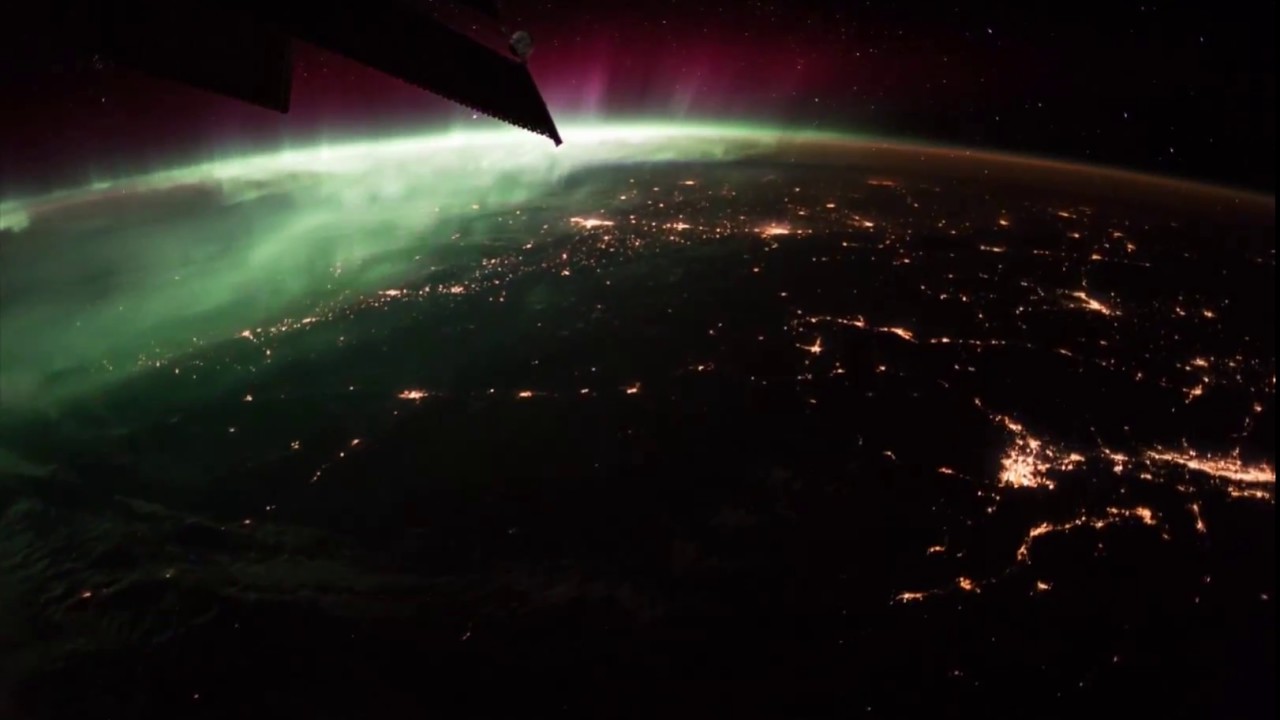
What would it be like to orbit the Earth? The International Space Station (ISS) does this every 90 minutes, and sometimes the astronauts on board take image sequences that are made into videos. The featured time-lapse video shows many visual spectacles of the dark Earth below. First, as the video begins, green and red auroras are visible on the upper left above white clouds. Soon city lights come into view, and it becomes clear you are flying over North America, eventually passing over Florida. In the second sequence you fly over Europe and Africa, eventually passing over the Nile River. Brief flashes of light are lightning in storms. Stars far in the distance can be seen rising through the greenish-gold glow of the Earth's atmosphere. via NASA http://ift.tt/2HrQDTJ

2018/03/09

Veggies in Space!


The crew aboard the International Space Station have grown two batches of mixed greens (mizuna, red romaine lettuce and tokyo bekana cabbage), and are now running two Veggie facilities simultaneously. via NASA http://ift.tt/2Fvm1Av

Horsehead: A Wider View


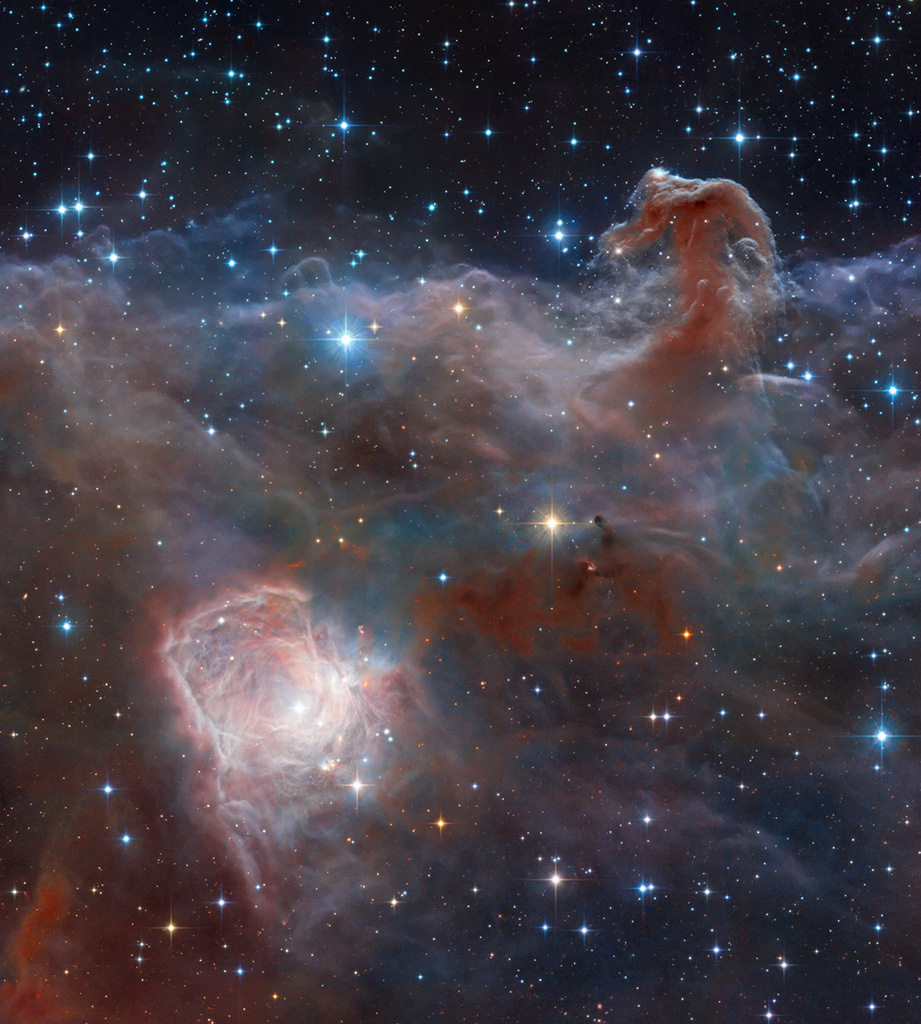
Combined image data from the massive, ground-based VISTA telescope and the Hubble Space Telescope was used to create this wide perspective of the interstellar landscape surrounding the famous Horsehead Nebula. Captured at near-infrared wavelengths, the region's dusty molecular cloud sprawls across the scene that covers an angle about two-thirds the size of the Full Moon on the sky. Left to right the frame spans just over 10 light-years at the Horsehead's estimated distance of 1,600 light-years. Also known as Barnard 33, the still recognizable Horsehead Nebula stands at the upper right, the near-infrared glow of a dusty pillar topped with newborn stars. Below and left, the bright reflection nebula NGC 2023 is itself the illuminated environs of a hot young star. Obscuring clouds below the base of the Horsehead and on the outskirts of NGC 2023 show the tell-tale far red emission of energetic jets, known as Herbig-Haro objects, also associated with newborn stars. via NASA http://ift.tt/2HkOLMJ

2018/03/08

Imaging the Universe


Known as the 'Mother of Hubble,' Nancy Grace Roman is shown here at the Yerkes Observatory, University of Chicago in 1948, where she was studying for her doctorate in astronomy. via NASA http://ift.tt/2FDE2zJ

Cyclones at Jupiter s North Pole


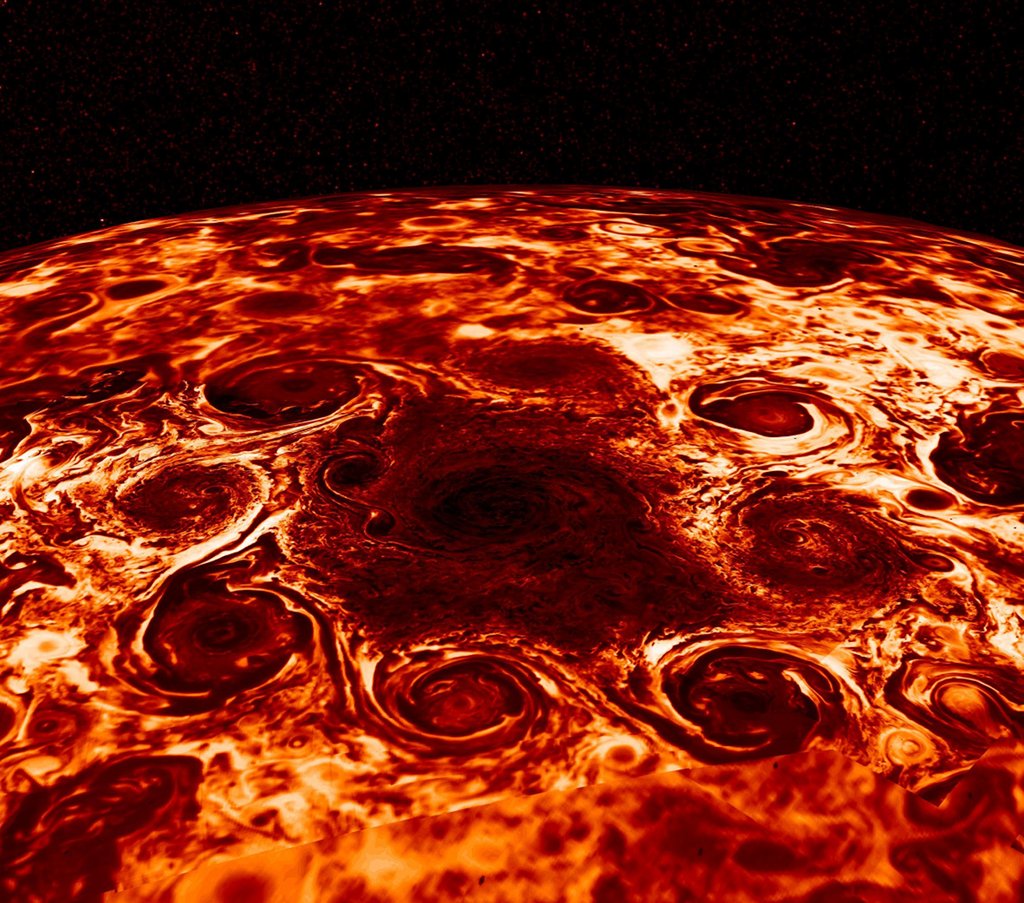
Juno's Jovian Infrared Auroral Mapper data was used to construct this stunning view of cyclones at Jupiter's North Pole. Measuring the thermal emission from Jovian cloud tops, the infrared the observations are not restricted to the hemisphere illuminated by sunlight. They reveal eight cyclonic features that surround a cyclone about 4,000 kilometers in diameter, just offset from the giant planet's geographic North Pole. Similar data show a cyclone at the Jovian South Pole with five circumpolar cyclones. The South Pole cyclones are slightly larger than their northern cousins. Cassini data has shown that gas giant Saturn's north and south poles each have a single cyclonic storm system. via NASA http://ift.tt/2Fq3HIN

2018/03/07

Structural Test Version of the Intertank for NASA's New Deep Space Rocket


The intertank is the second piece of structural hardware for the massive Space Launch System core stage, built at NASA's Michoud Assembly Facility in New Orleans and delivered to Marshall Space Flight Center for testing. via NASA http://ift.tt/2D7lKBx

Arcs, Jets, and Shocks near NGC 1999


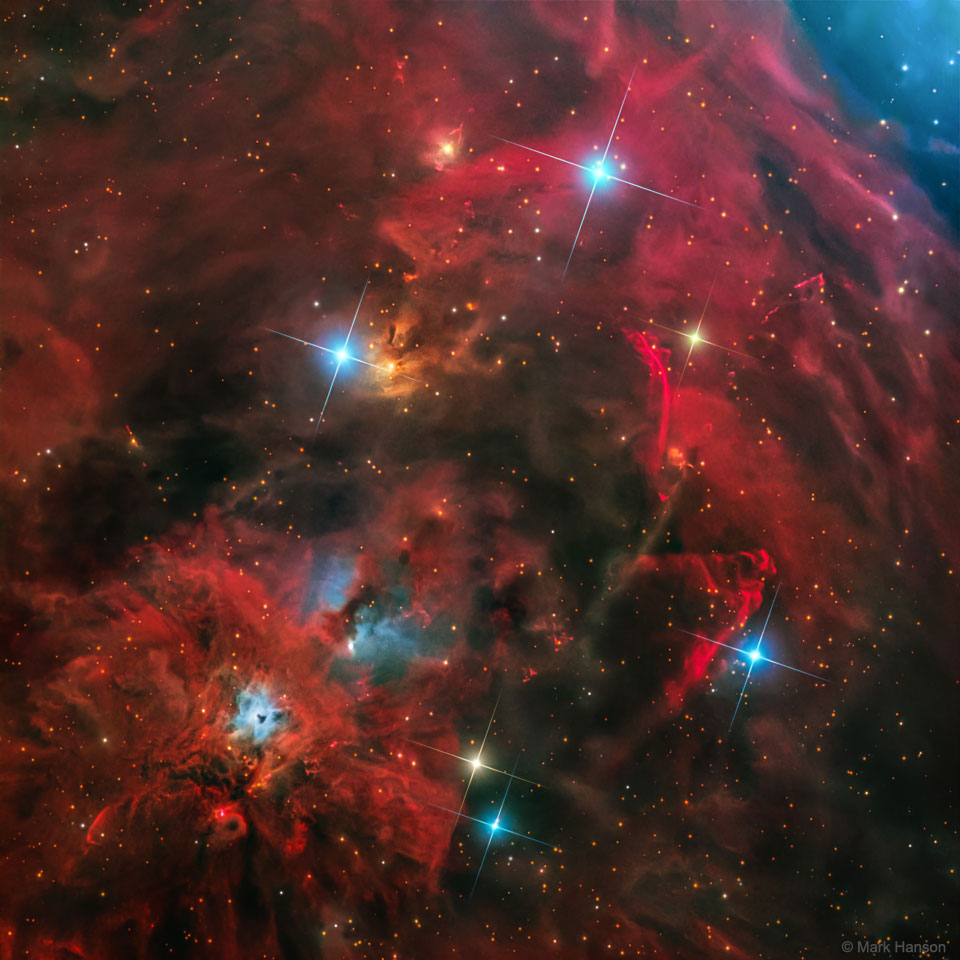
This tantalizing array of nebulas and stars can be found about two degrees south of the famous star-forming Orion Nebula. The region abounds with energetic young stars producing jets and outflows that push through the surrounding material at speeds of hundreds of kilometers per second. The interaction creates luminous shock waves known as Herbig-Haro (HH) objects. For example, the graceful, flowing arc just right of center is cataloged as HH 222, also called the Waterfall Nebula. Seen below the Waterfall, HH 401 has a distinctive cone shape. The bright bluish nebula below and left of center is NGC 1999, a dusty cloud reflecting light from an embedded variable star. The entire cosmic vista spans over 30 light-years, near the edge of the Orion Molecular Cloud Complex some 1,500 light-years distant. via NASA http://ift.tt/2oPtLHf

2018/03/06

The Case of the Martian Boulder Piles


This image was originally meant to track the movement of sand dunes near the North Pole of Mars, but what's on the ground in between the dunes is just as interesting! via NASA http://ift.tt/2tjh9wx

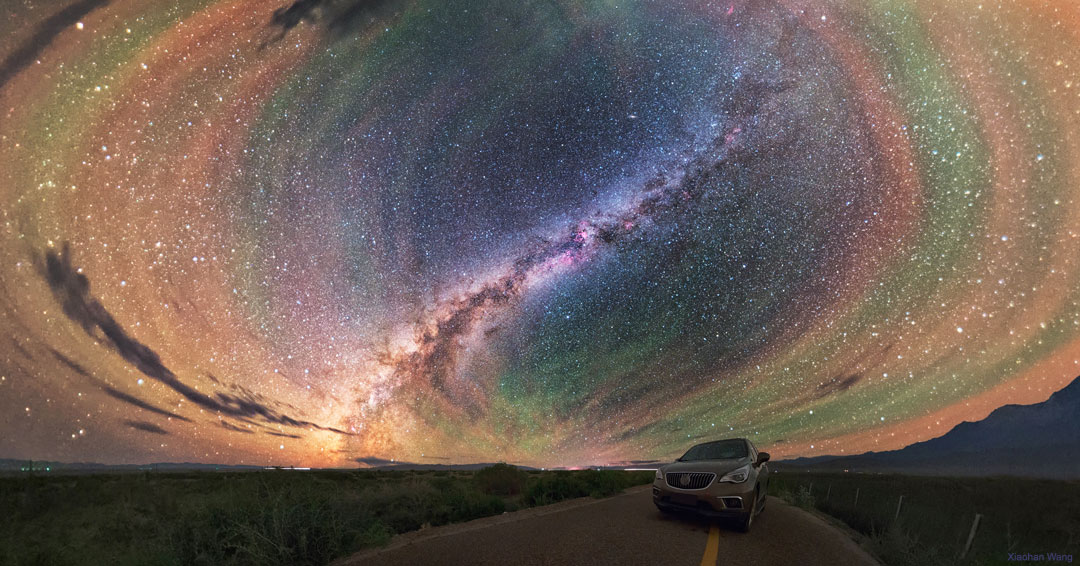
Colorful Airglow Bands Surround Milky Way


Why would the sky glow like a giant repeating rainbow? Airglow. Now air glows all of the time, but it is usually hard to see. A disturbance however -- like an approaching storm -- may cause noticeable rippling in the Earth's atmosphere. These gravity waves are oscillations in air analogous to those created when a rock is thrown in calm water. Red airglow likely originates from OH molecules about 87-kilometers high, excited by ultraviolet light from the Sun, while orange and green airglow is likely caused by sodium and oxygen atoms slightly higher up. While driving near Keluke Lake in Qinghai Provence in China, the photographer originally noticed mainly the impressive central band of the Milky Way Galaxy. Stopping to photograph it, surprisingly, the resulting sensitive camera image showed airglow bands to be quite prominent and span the entire sky. The featured image has been digitally enhanced to make the colors more vibrant. via NASA http://ift.tt/2FhJXqI

2018/03/05

Building the Space Station


Astronauts Joan Higginbotham (foreground) and Suni Williams refer to a procedures checklist as they work the controls of the Canadarm2, in this 2006 image. via NASA http://ift.tt/2FrgsWT

2018/03/03

Southwest Mare Fecunditatis


Frank Borman, James Lovell, and William Anders journeyed from Earth to the Moon and back again in December of 1968. From lunar orbit, their view of craters in southwest Mare Fecunditatis is featured in this stereo anaglyph, best experienced from armchairs on planet Earth with red/blue glasses. Goclenius is the large impact crater in the foreground. About 70 kilometers (45 miles) in diameter its lava-flooded floor is scarred by rilles or grooves, long, narrow depressions in the surface. Crossing the crater walls and central peaks the rilles were likely formed after the crater itself. In the background, the two large craters with smooth floors are Colombo A (top) and Magelhaens. Magelhaens A, the background crater with the irregular floor, is about 35 kilometers (20 miles) in diameter. via NASA http://ift.tt/2oMkChI

2018/03/02

Jovian ‘Twilight Zone’


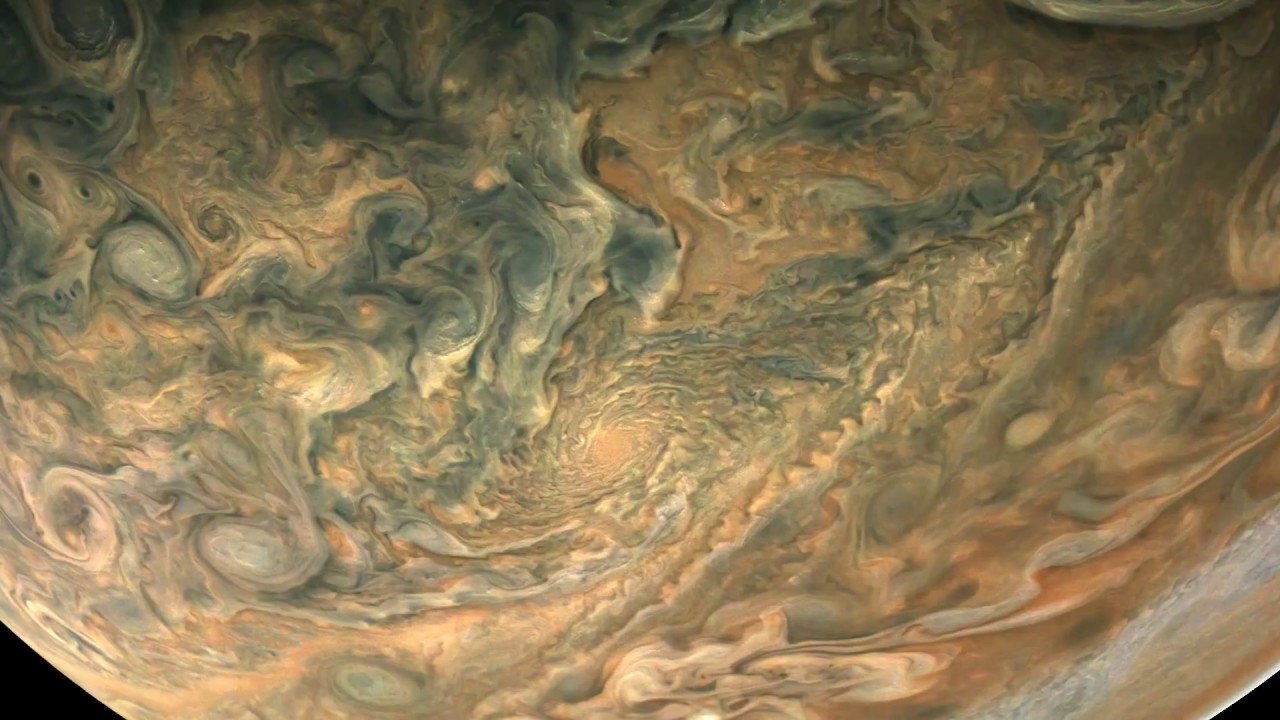
This image captures the swirling cloud formations around the south pole of Jupiter, looking up toward the equatorial region. via NASA http://ift.tt/2GX7Ynp

Next-Generation Weather Satellite GOES-S Lifts Off


A ULA Atlas V rocket lifts off from Space Launch Complex 41 at Cape Canaveral Air Force Station carrying the NOAA Geostationary Operational Environmental Satellite, or GOES-S. Launch was at 5:02 p.m. EST, March 1, 2018. GOES-S is the second satellite in a series of next-generation weather satellites. via NASA http://ift.tt/2CRP2nH

2018/03/01

'Twas the Night Before Launch


The Geostationary Operational Environmental Satellite (GOES-S) satellite sits on the launch pad at Space Launch Complex 41, Cape Canaveral Air Force Station, backdropped by the setting Sun. GOES-S is slated to lift off on March 1 at 5:02 p.m. EST. via NASA http://ift.tt/2t6l6ob

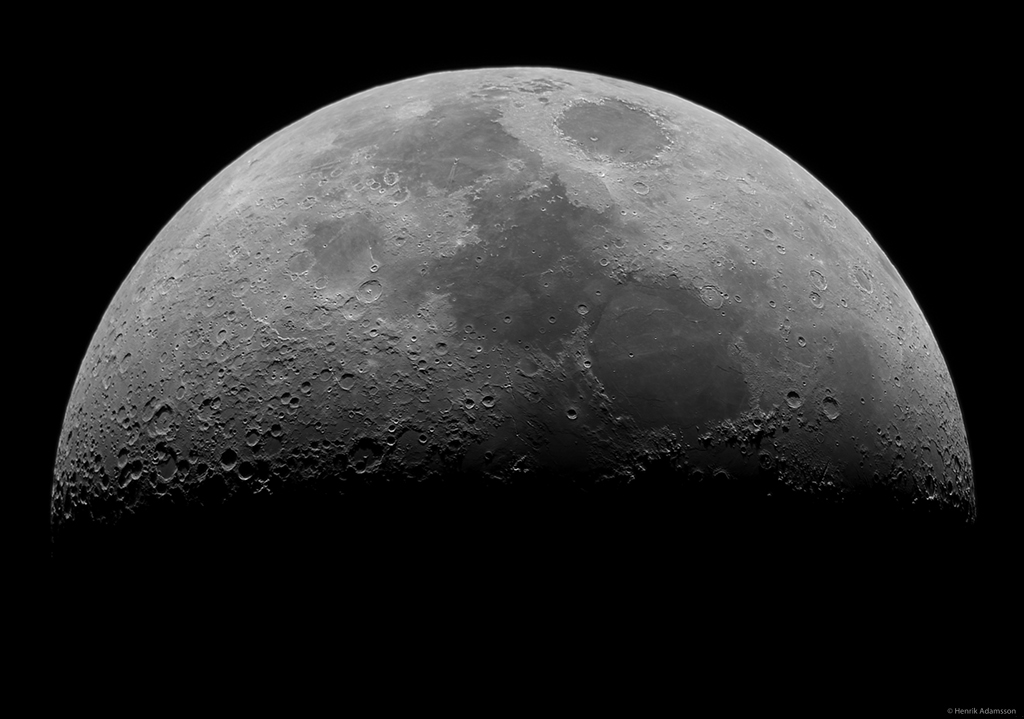
The Lunar X


The striking X in this lunarscape is easily visible in binoculars or a small telescope, but not too many have seen it. The catch is, this lunar X is fleeting and only apparent in the hours before the Moon's first quarter phase. Along the shadow line between lunar day and night, the X illusion is produced by a configuration of craters seen here toward the left, Blanchinus, La Caille and Purbach. Near the Moon's first quarter phase, an astronaut standing close to the craters' position would see the slowly rising Sun very near the horizon. Temporarily, crater walls would be in sunlight while crater floors would still be in darkness. Seen from planet Earth, contrasting sections of bright walls against the dark floors by chance look remarkably like an X. This sharp image of the Lunar X was captured on February 22nd. For extra credit, sweep your gaze along the lunar terminator and you can also spot the Lunar V. via NASA http://ift.tt/2HSh71Q

2018/02/28

Soyuz With Expedition 54 Trio Aboard Returns to Earth


The Soyuz MS-06 spacecraft is seen as it lands with Expedition 54 crew members Joe Acaba and Mark Vande Hei of NASA and cosmonaut Alexander Misurkin near the town of Zhezkazgan, Kazakhstan on Wednesday, Feb. 28, 2018 (February 27 Eastern time). via NASA http://ift.tt/2EYTRl2

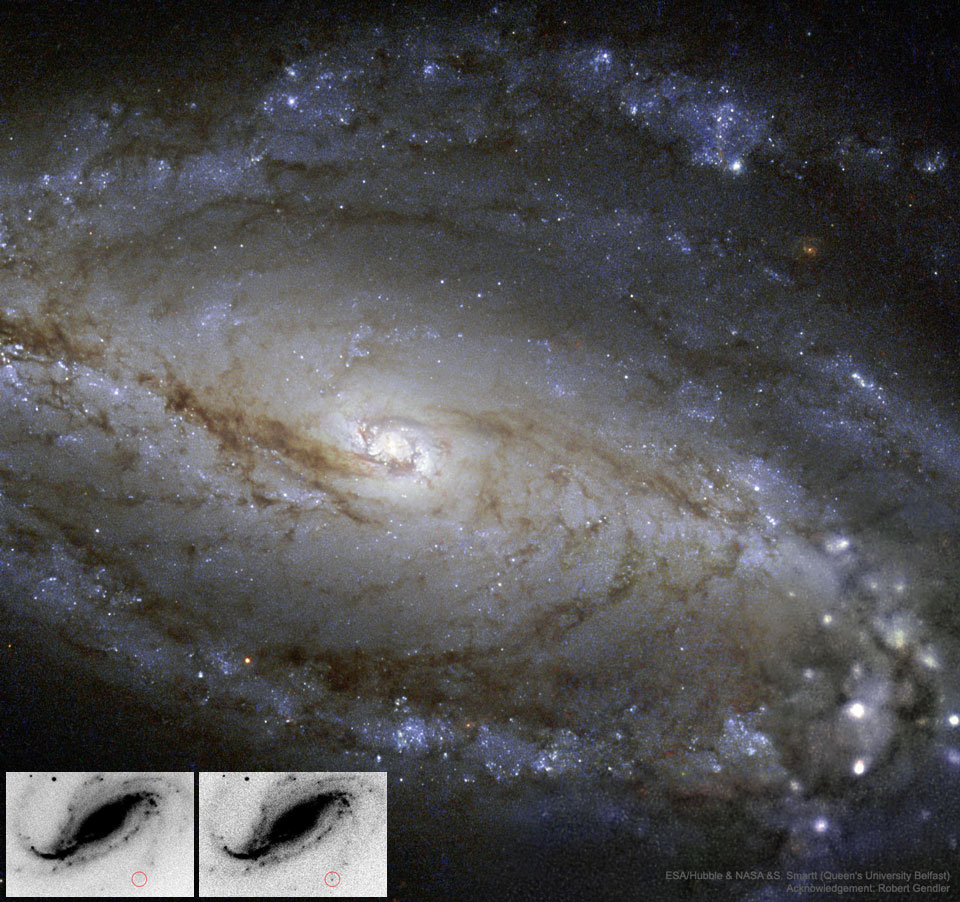
NGC 613 in Dust, Stars, and a Supernova


Where did that spot come from? Amateur astronomer Victor Buso was testing out a new camera on his telescope in 2016 when he noticed a curious spot of light appear -- and remain. After reporting this unusual observation, this spot was determined to be light from a supernova just as it was becoming visible -- in an earlier stage than had ever been photographed optically before. The discovery before and after images, taken about an hour apart, are shown in the inset of a more detailed image of the same spiral galaxy, NGC 613, taken by the Hubble Space Telescope. Follow-up observations show that SN 2016gkg was likely the explosion of a supergiant star, and Buso likely captured the stage where the outgoing detonation wave from the stellar core broke through the star's surface. Since astronomers have spent years monitoring galaxies for supernovas without seeing such a "break out" event, the odds of Buso capturing this have been compared to winning a lottery. via NASA http://ift.tt/2FGieBj

2018/02/27

Portrait of the Expedition 54 Crew on the Space Station


The six-member Expedition 54 crew poses for a lighthearted crew portrait inside the Japanese Kibo laboratory module on Feb. 18, 2018. Three of the crew members are packed up and prepared to return to Earth today, Tuesday, Feb. 27. via NASA http://ift.tt/2HPTerZ

2018/02/26

An Intersection of Land, Ice, Sea and Clouds


Though sea ice has been significantly below normal extent and thickness across much of the Arctic, the ice in the Labrador Sea has been relatively close to normal. via NASA http://ift.tt/2HLW018

Passing Jupiter


Here comes Jupiter! NASA's robotic spacecraft Juno is continuing on its 53-day, highly-elongated orbits around our Solar System's largest planet. The featured video is from perijove 11, the eleventh time Juno has passed near Jupiter since it arrived in mid-2016. This time-lapse, color-enhanced movie covers about four hours and morphs between 36 JunoCam images. The video begins with Jupiter rising as Juno approaches from the north. As Juno reaches its closest view -- from about 3,500 kilometers over Jupiter's cloud tops -- the spacecraft captures the great planet in tremendous detail. Juno passes light zones and dark belt of clouds that circle the planet, as well as numerous swirling circular storms, many of which are larger than hurricanes on Earth. After the perijove, Jupiter recedes into the distance, now displaying the unusual clouds that appear over Jupiter's south. To get desired science data, Juno swoops so close to Jupiter that its instruments may soon fail due to exposure to high levels of radiation. Because of this, in part, the Juno mission is currently schedule to conclude in mid-2018, at perijove 14, when the spacecraft will be directed to dive into Jupiter's atmosphere and melt. via NASA http://ift.tt/2FvQzTt

2018/02/23

Time-lapse Sequence of Jupiter’s South Pole


This series of images captures cloud patterns near Jupiter's south pole, looking up towards the planet’s equator. via NASA http://ift.tt/2oj1Yi8

2018/02/22

Robert Lawrence: America's First African-American Astronaut


On June 30, 1967, the U.S. Air Force selcted Maj. Robert H. Lawrence, Jr. for the Manned Orbiting Laboratory, Authorized in August 1965, a program which envisioned a series of mini-space stations in low polar Earth orbit. via NASA http://ift.tt/2ELcAfC

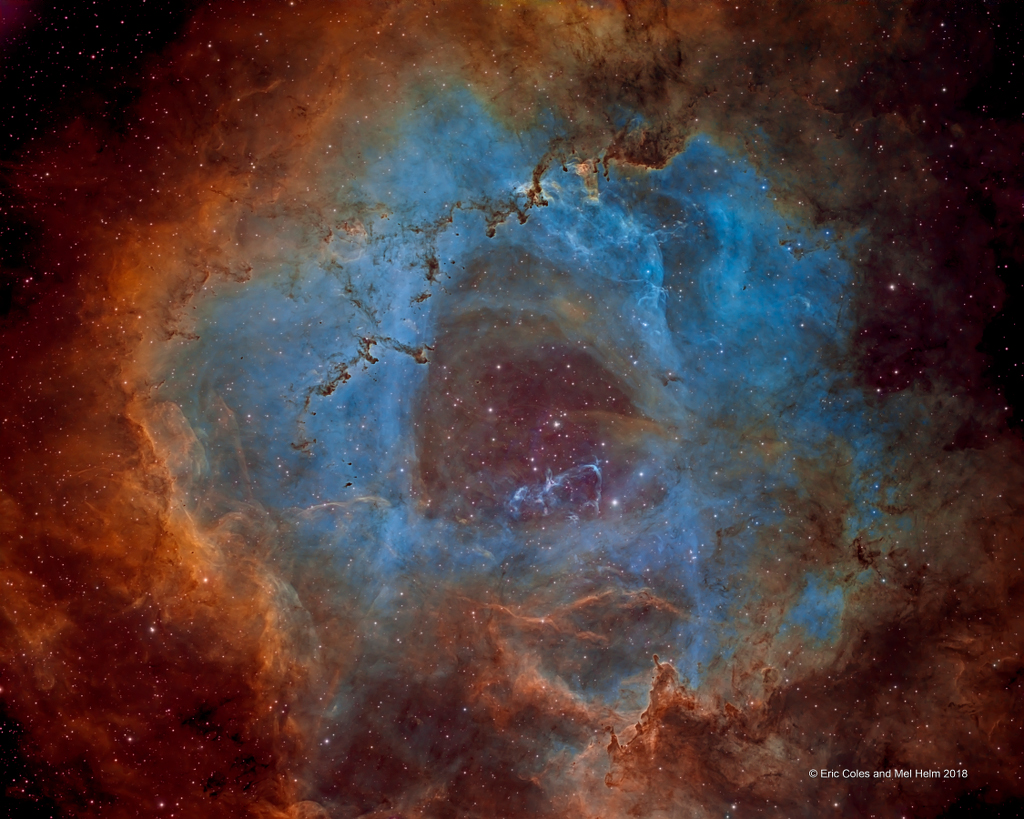
When Roses Aren t Red


Not all roses are red of course, but they can still be very pretty. Likewise, the beautiful Rosette Nebula and other star forming regions are often shown in astronomical images with a predominately red hue, in part because the dominant emission in the nebula is from hydrogen atoms. Hydrogen's strongest optical emission line, known as H-alpha, is in the red region of the spectrum, but the beauty of an emission nebula need not be appreciated in red light alone. Other atoms in the nebula are also excited by energetic starlight and produce narrow emission lines as well. In this gorgeous view of the Rosette Nebula, narrowband images are combined to show emission from sulfur atoms in red, hydrogen in blue, and oxygen in green. In fact, the scheme of mapping these narrow atomic emission lines into broader colors is adopted in many Hubble images of stellar nurseries. The image spans about 100 light-years in the constellation Monoceros, at the 3,000 light-year estimated distance of the Rosette Nebula. To make the Rosette red, just follow this link or slide your cursor over the image. via NASA http://ift.tt/2EV0eoC

2018/02/21

Orion’s Powerhouse


A technician works on the European Service Module that will propel the Orion spacecraft in space and provide air, water and electricity for future crews. via NASA http://ift.tt/2CBHPId

2018/02/20

Destination: History


On Feb. 20, 1962, John Glenn made history by becoming the first U.S. astronaut to orbit the place we call home--planet Earth. via NASA http://ift.tt/2GuM4HY

A Partial Solar Eclipse over Buenos Aires


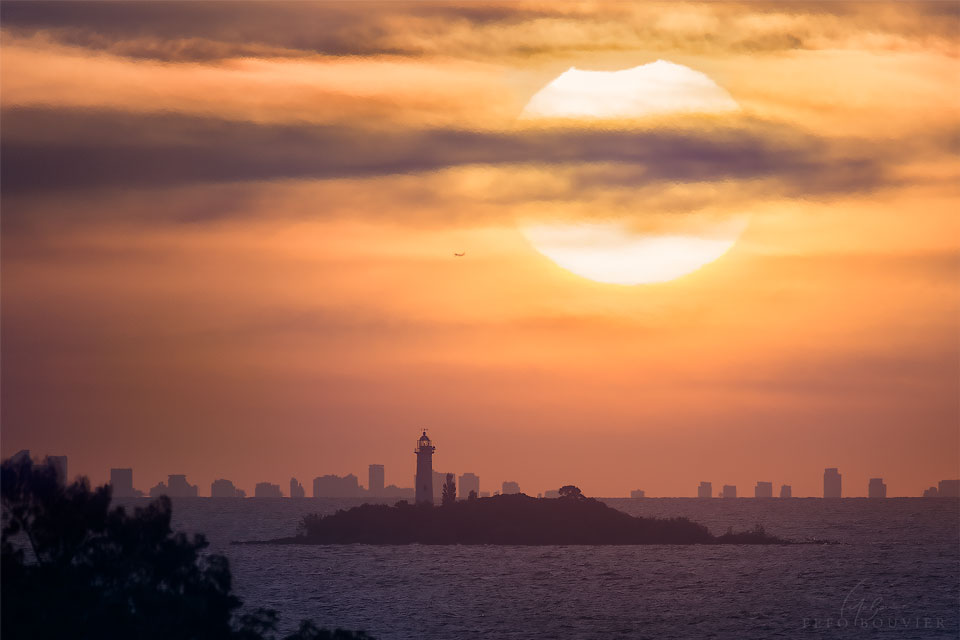
What's happened to top of the Sun? Last week, parts of Earth's southern hemisphere were treated to a partial solar eclipse, where the Moon blocks out part of the Sun. The featured image was taken toward the end of the eclipse from the coast of Uruguay overlooking Argentina's Buenos Aires. Light-house adorned Farallón Island is seen in the foreground, and a plane is visible just to the left of the Sun. The image is actually a digital combination of two consecutive exposures taken with the same camera using the same settings -- one taken of the landscape and another of the background Sun. The next solar eclipse visible on Earth will be another partial eclipse occurring in mid-July and visible from parts of southern Australia including Tasmania. via NASA http://ift.tt/2C73dJH

2018/02/19

Galaxy Formation in a Magnetic Universe


How did we get here? We know that we live on a planet orbiting a star orbiting a galaxy, but how did all of this form? To understand details better, astrophysicists upgraded the famous Illustris Simulation into IllustrisTNG -- now the most sophisticated computer model of how galaxies evolved in our universe. Specifically, this featured video tracks magnetic fields from the early universe (redshift 5) until today (redshift 0). Here blue represents relatively weak magnetic fields, while white depicts strong. These B fields are closely matched with galaxies and galaxy clusters. As the simulation begins, a virtual camera circles the virtual IllustrisTNG universe showing a young region -- 30-million light years across -- to be quite filamentary. Gravity causes galaxies to form and merge as the universe expands and evolves. At the end, the simulated IllustrisTNG universe is a good statistical match to our present real universe, although some interesting differences arise -- for example a discrepancy involving the power in radio waves emitted by rapidly moving charged particles. via NASA http://ift.tt/2CuxNZz

2018/02/18

LL Ori and the Orion Nebula


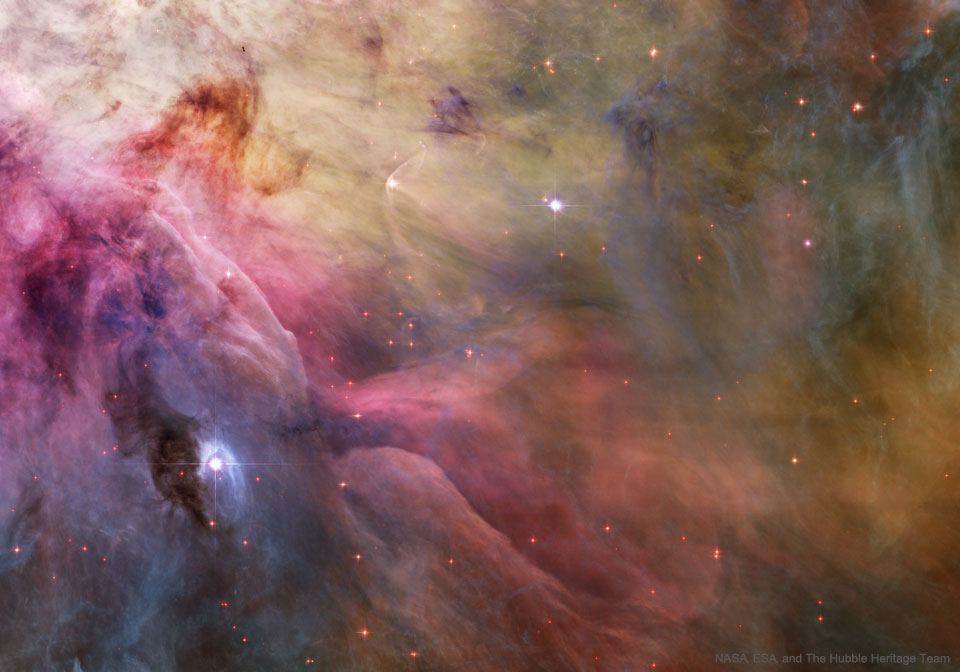
Stars can make waves in the Orion Nebula's sea of gas and dust. This esthetic close-up of cosmic clouds and stellar winds features LL Orionis, interacting with the Orion Nebula flow. Adrift in Orion's stellar nursery and still in its formative years, variable star LL Orionis produces a wind more energetic than the wind from our own middle-aged Sun. As the fast stellar wind runs into slow moving gas a shock front is formed, analogous to the bow wave of a boat moving through water or a plane traveling at supersonic speed. The small, arcing, graceful structure just above and left of center is LL Ori's cosmic bow shock, measuring about half a light-year across. The slower gas is flowing away from the Orion Nebula's hot central star cluster, the Trapezium, located off the upper left corner of the picture. In three dimensions, LL Ori's wrap-around shock front is shaped like a bowl that appears brightest when viewed along the "bottom" edge. This beautiful painting-like photograph is part of a large mosaic view of the complex stellar nursery in Orion, filled with a myriad of fluid shapes associated with star formation. via NASA http://ift.tt/2F9mp8d

2018/02/16

Jupiter’s Swirling Cloud Formations


See swirling cloud formations in the northern area of Jupiter's north temperate belt in this new view taken by NASA’s Juno spacecraft. via NASA http://ift.tt/2EvNHVk

2018/02/15

Clyde Foster


In June 1975, Marshall management named Clyde Foster to the position of director of the Equal Opportunity Office where he directed and administered a comprehensive program to assure equal opportunity in the conduct of all operations undertaken by the Center and its contractors. via NASA http://ift.tt/2sxlbRE

2018/02/14

An Icy Heart


Operation IceBridge, NASA’s longest running survey of the state of polar ice, shattered records in 2017. via NASA http://ift.tt/2CkOvub

2018/02/13

Preparing for Space


In this image from 2009, NASA astronaut Stephanie Wilson is attired in a training version of her shuttle launch and entry suit. via NASA http://ift.tt/2EozL3f

2018/02/12

The State of NASA


Acting NASA Administrator Robert Lightfoot discusses the fiscal year 2019 budget proposal during a State of NASA address Monday, Feb. 12, 2018. via NASA http://ift.tt/2G73V7z

2018/02/11

A Partial Eclipse Over Manila Bay


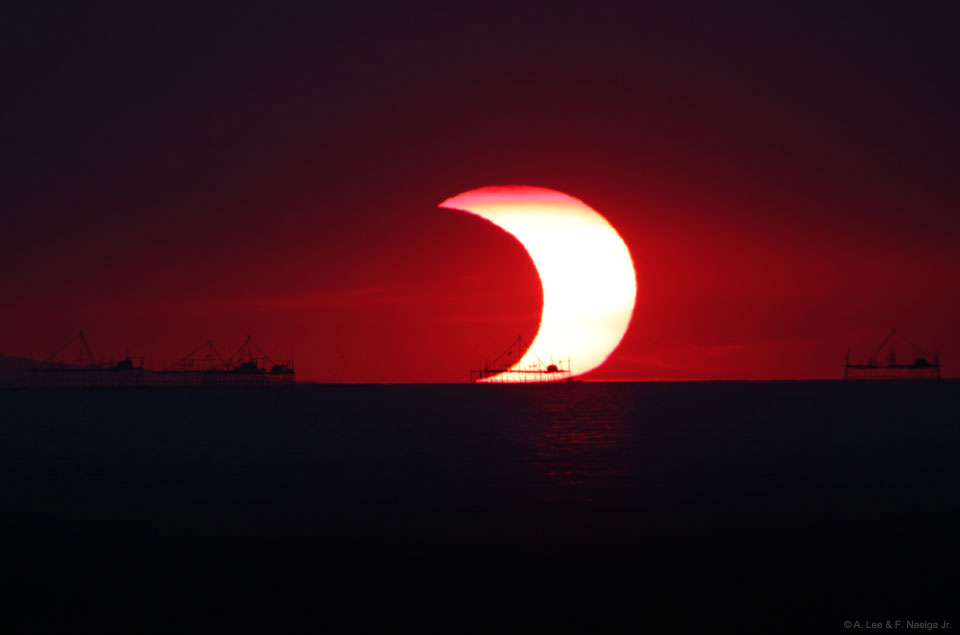
What's happened to the setting Sun? An eclipse! In early 2009, the Moon eclipsed part of the Sun as visible from parts of Africa, Australia, and Asia. In particular the featured image, taken from the Mall of Asia seawall, caught a partially eclipsed Sun setting over Manila Bay in the Philippines. Piers are visible in silhouette in the foreground. Eclipse chasers and well placed sky enthusiasts captured many other interesting and artistic images of the year's only annular solar eclipse, including movies, eclipse shadow arrays, and rings of fire. On Thursday parts of the Sun again will become briefly blocked by the Moon, again visible to some as a partial eclipse of the Sun. Thursday's eclipse, however, will only be visible from parts of southern South America and Antarctica. via NASA http://ift.tt/2Ei6EKV